Thrifting
Online Thrifting for Beginners: How to Find Pieces You Will Wear
Learn to thrift online with a blazer fit check, real denim detail photos and a bag inspection checklist. Buy secondhand pieces you will actually wear.
The best thrift find is not always the one with the most recognisable label. It is the piece you reach for again because the fit works, the condition matches your expectations and it belongs with clothes you already own.
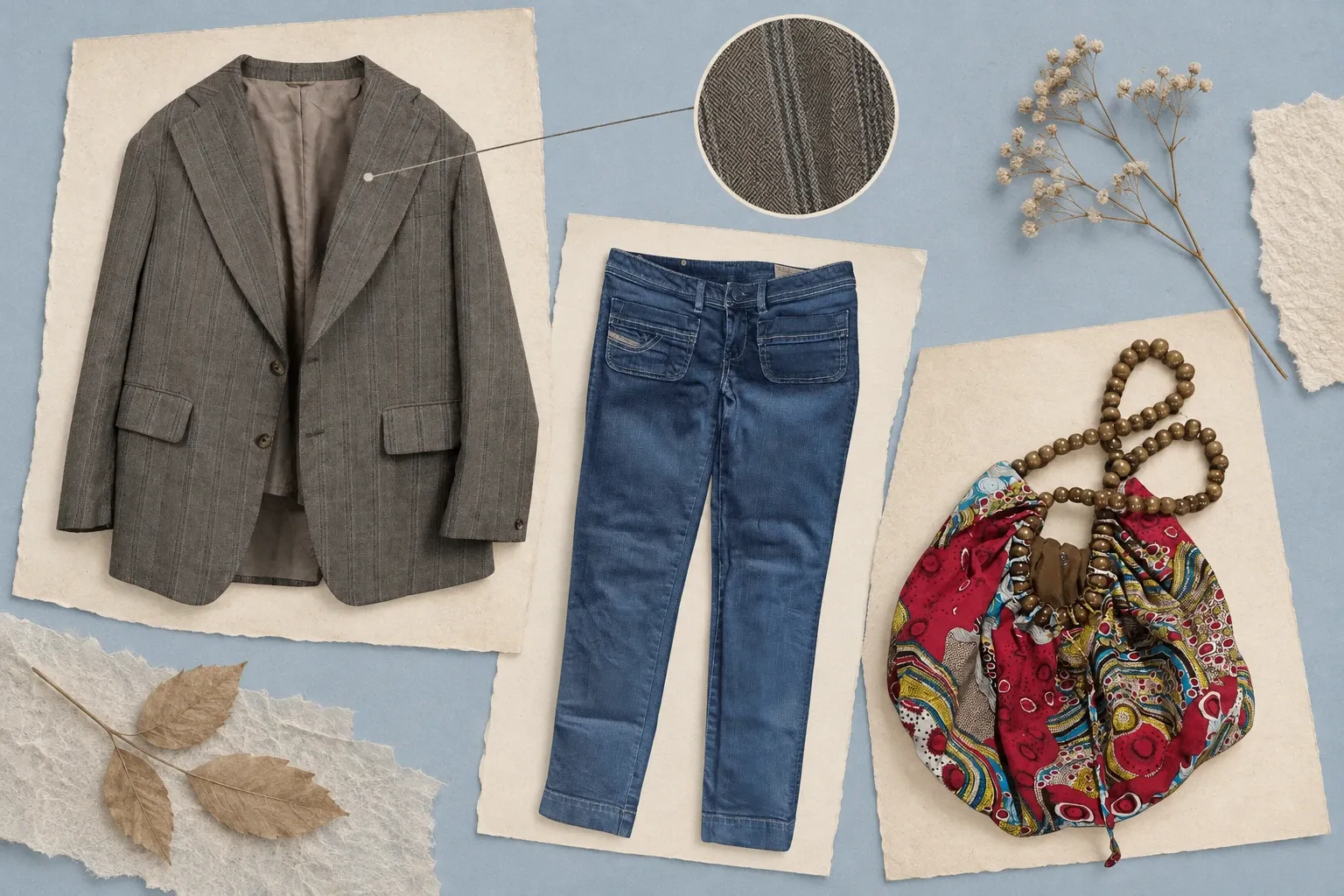
This beginner's guide to online thrifting uses a blazer, a pair of jeans and a beaded-handle bag to show how to assess a listing. The goal is to make a better decision about an individual item, whether you are shopping for secondhand clothes in Albania or browsing a resale shop elsewhere.
Cover: AI-assisted editorial collage. Use the original shop photos below and on the product pages to assess the actual items.
What does thrifting mean?
Thrifting means shopping for secondhand pieces. Online, you are relying on a seller's photos, descriptions and measurements instead of trying something on first. That makes specific questions more useful than a quick glance at the size label.
Secondhand does not automatically mean vintage. A Y2K-inspired shape can be recent, and a product name is not proof of its production date. If age, fabric composition or provenance matters to you, ask for supporting details.
1. Search for a detail you will actually wear
Start with a gap in your wardrobe: a jacket for your usual jeans, trousers with a rise you like, or a bag that holds your everyday essentials. Turn that into a more useful search, such as grey pinstripe blazer, low-rise flap pocket jeans or wooden bead bag.
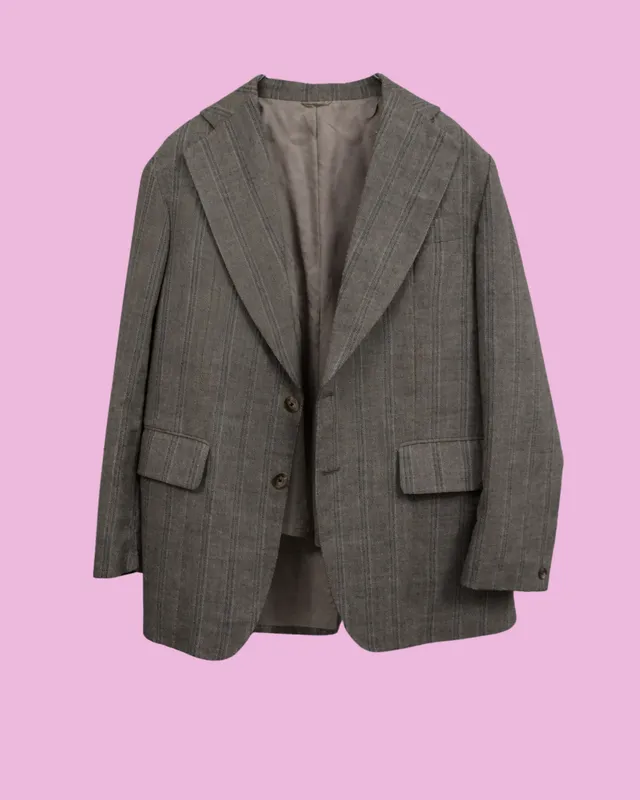
Vintage Grey Pinstripe Blazer is a useful example. Its lapels, vertical stripes and relaxed shape tell you more about how you might wear it than the word “vintage” alone. Imagine it with two outfits you already have before adding it to your shortlist.
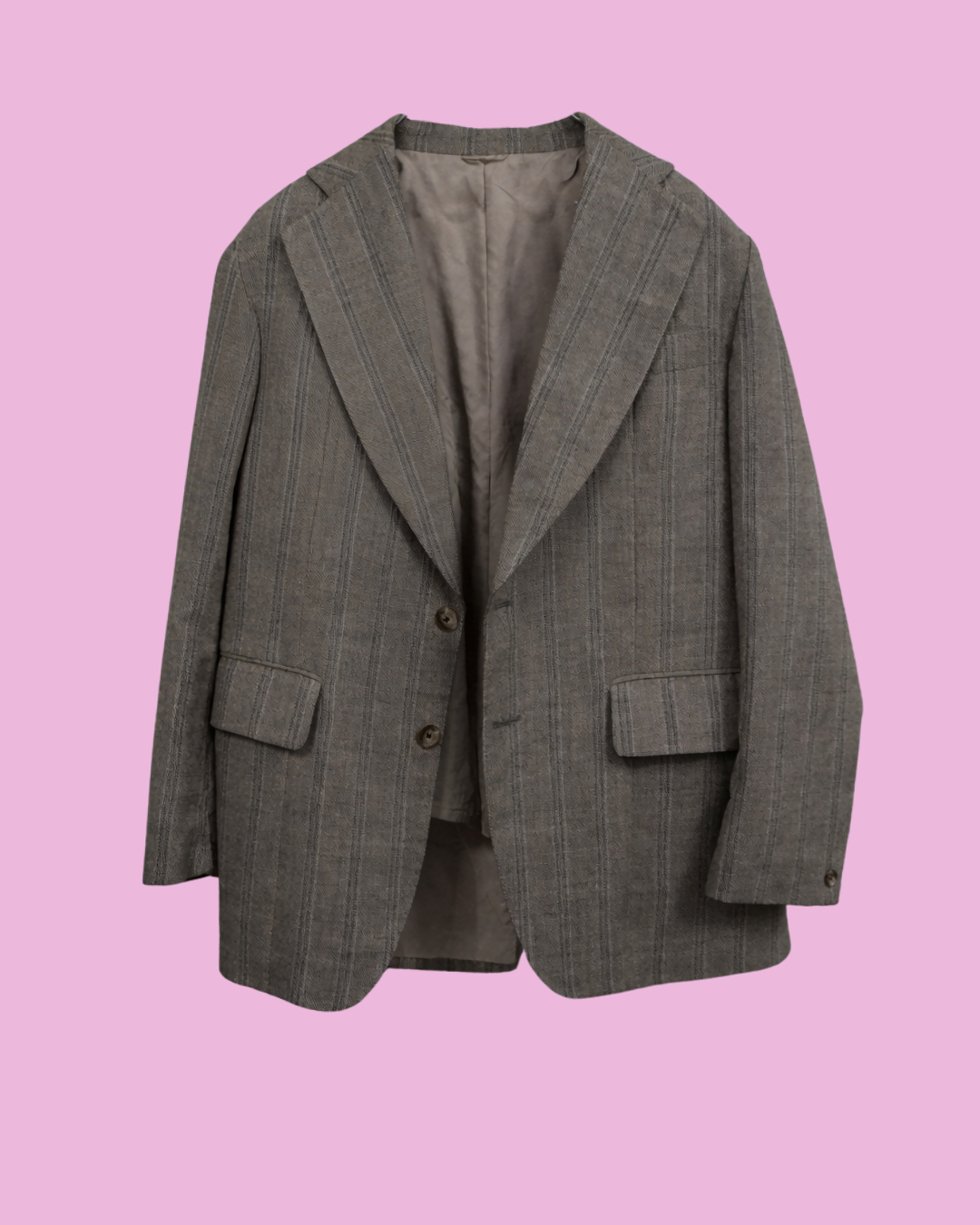
For this kind of jacket, ask for shoulder width, chest width measured flat, sleeve length and back length. Compare those with a similar jacket you like wearing. Decide whether you want room for a jumper or a closer fit over a tee.
2. For jeans, check the rise as well as the waist
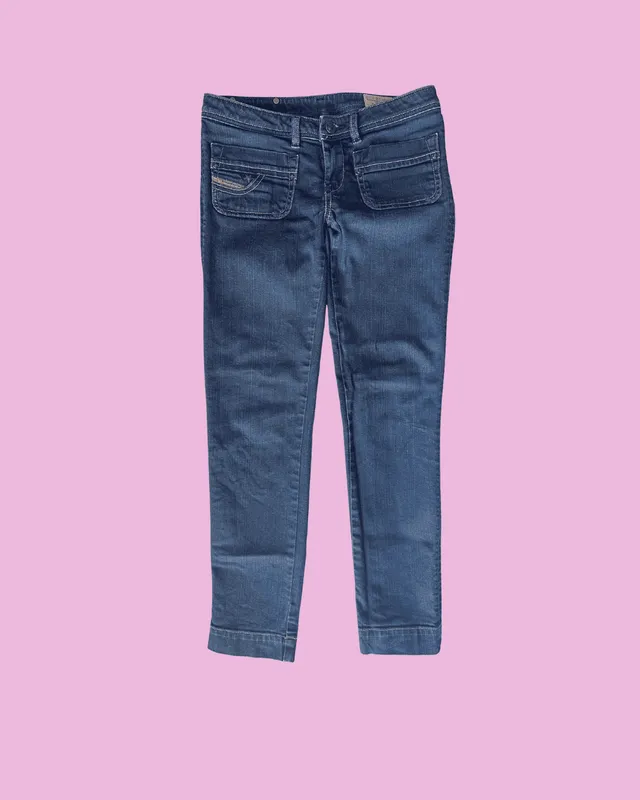
Two pairs with similar waist labels can feel very different if one sits lower on your body. With Diesel Low-Rise Flap Pocket Jeans, the low-rise cut is part of the buying decision, not just a styling detail.
Lay a pair you already own flat and compare waist, front rise, hip width, thigh width and inside-leg length. Confirm the units and how the seller took each measurement. A flat waistband measurement is not the same thing as a full waist circumference.
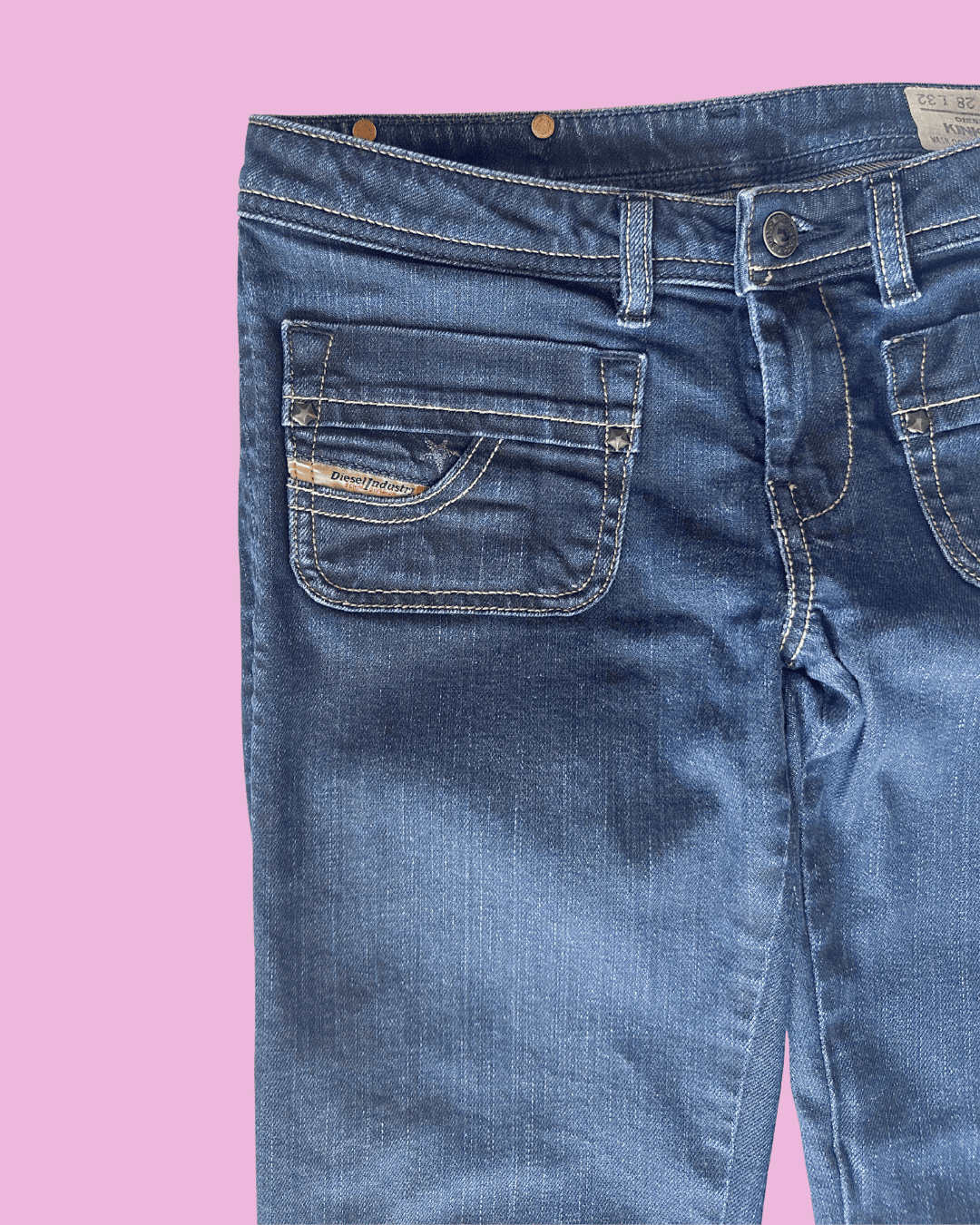
The listing includes a W28/L32 label description, but a label alone does not tell you the garment's current dimensions. Ask for the measurements that matter to you, especially if you are trying a different rise or expect to wear the jeans with a particular shoe.
3. Read a photo like a checklist
Look at the whole garment, then inspect the places likely to affect wear: fastenings, seams, cuffs, hems and pocket corners. A front photo and a close-up answer different questions.
The jeans listing also shows the back waistband and pockets. Compare those with the front rather than judging condition from the first image alone.
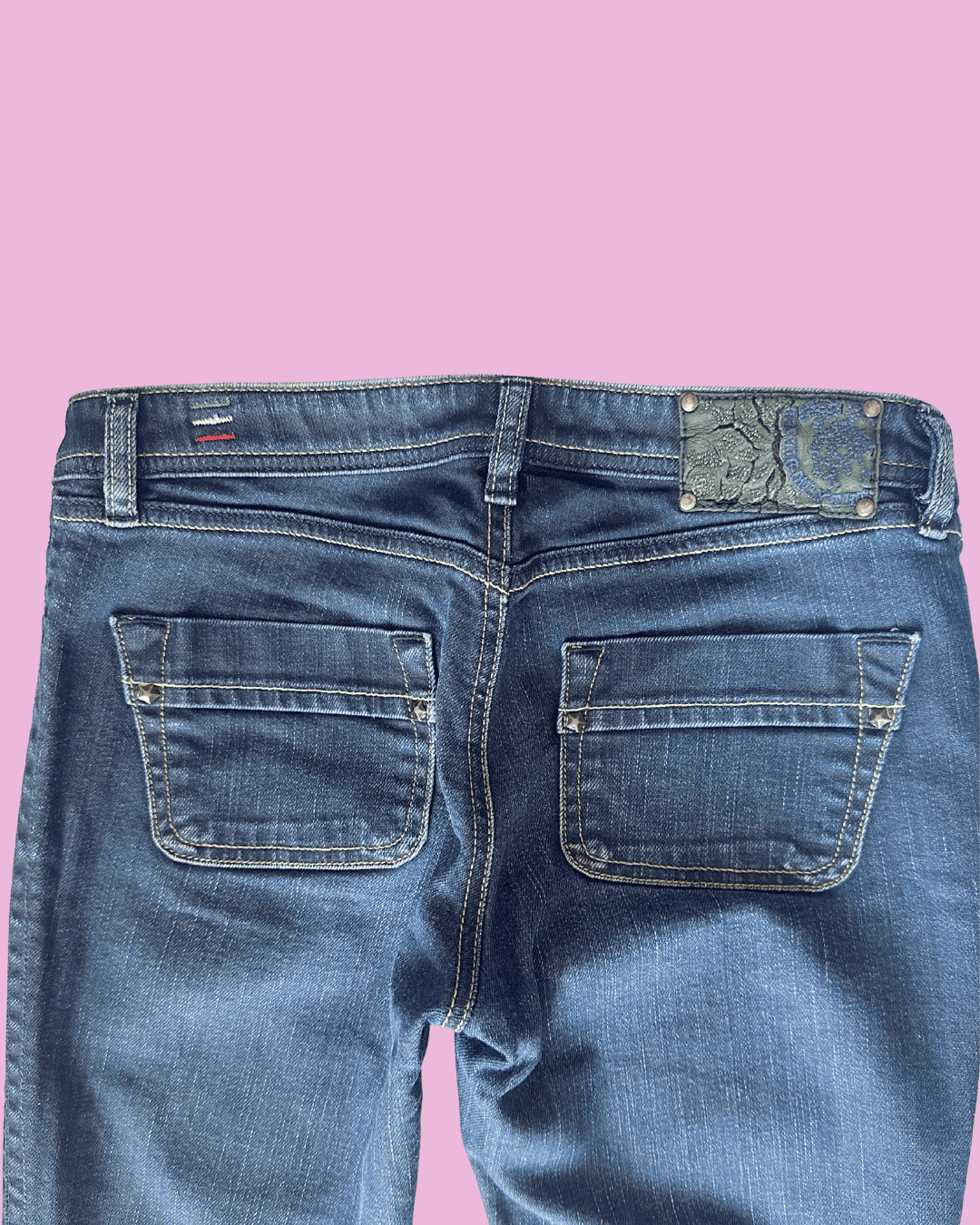
Do not infer a fault just because a photograph is dark or a fabric is creased. Ask a precise question: “Is the zip working smoothly?” or “Could I see the inside seam and hems?” is more useful than “Is it in good condition?”
4. Treat a bag's handles and capacity as part of the design
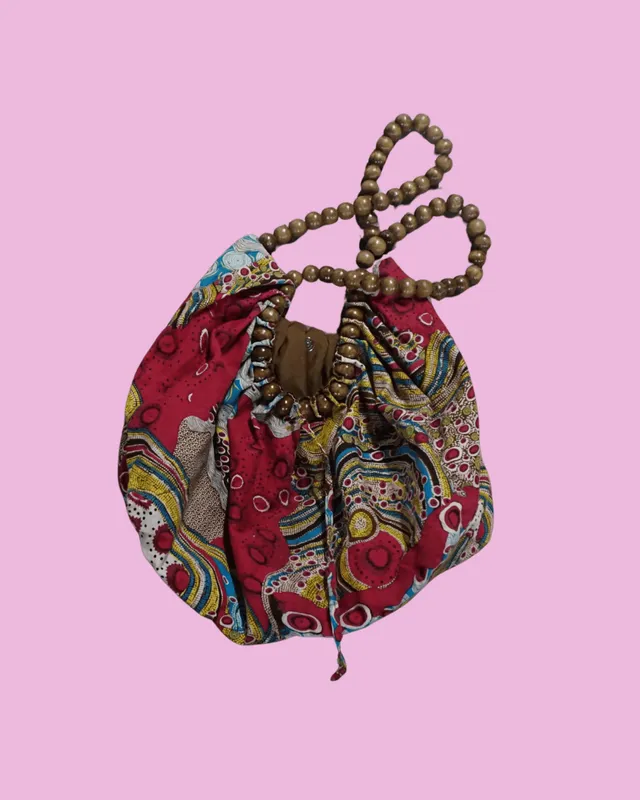
Wooden Bead Slouch Bag has a colourful fabric body and wooden bead handles. The print may be what catches your eye, but the handle attachments, lining and closure decide whether it suits your day.
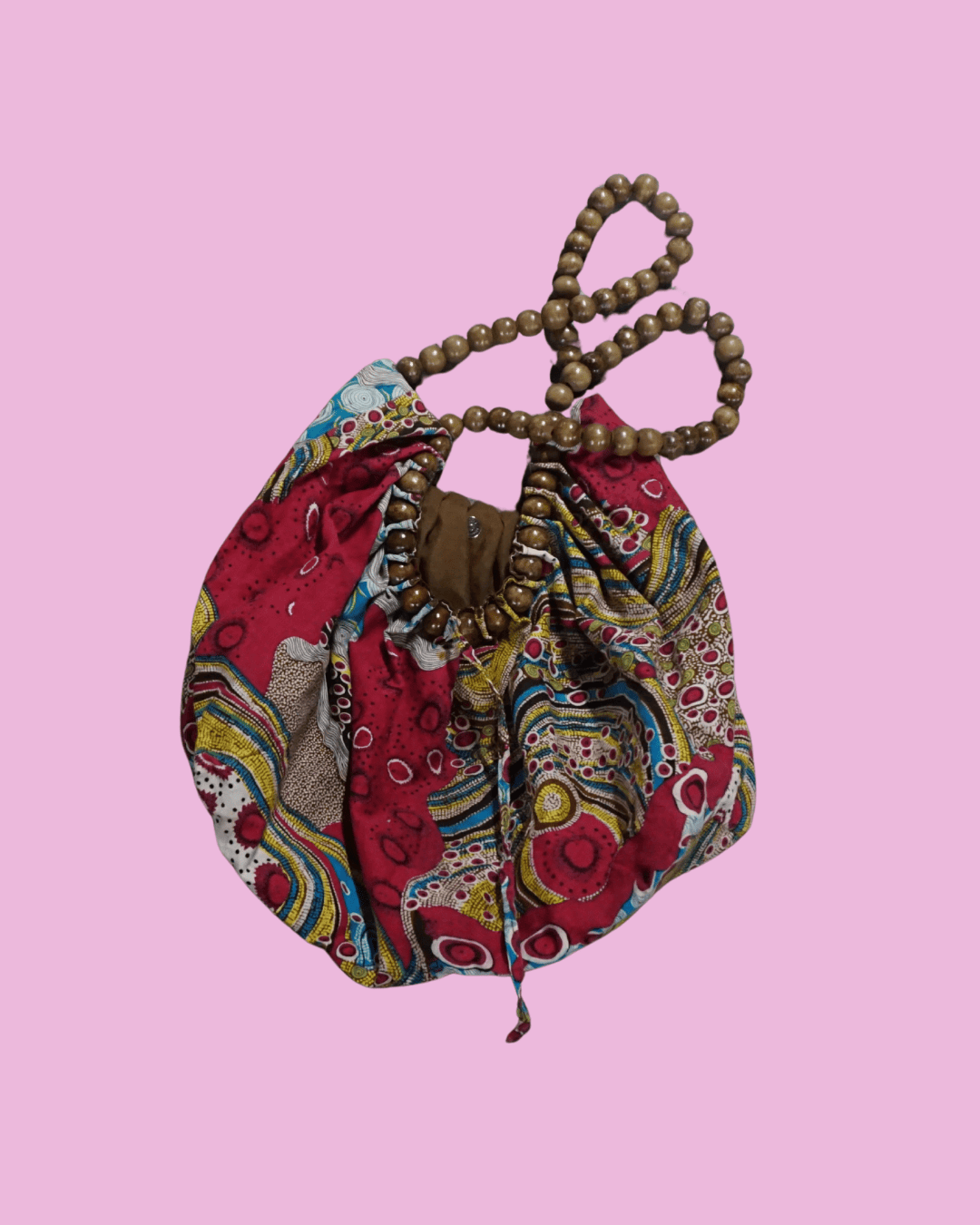
It was listed as Good when checked. Read the current notes, ask for inside photos if needed, and confirm dimensions against your phone and usual essentials. A relaxed shape does not establish how much weight a bag should carry.
Separate cosmetic wear you are happy with from a repair you would need to arrange. Include any likely cleaning or alteration cost before calling something a bargain.
5. Make the final decision before checkout
Read the shop's current delivery and returns information and include delivery in the total cost. Then run through five questions:
- Can I name two outfits or occasions I would use this for?
- Do I understand the fit and capacity, including any missing measurements?
- Have I checked the original photos and current condition notes?
- Does the full cost still work for me?
- Would I want the piece without the brand name or bargain label?
Start with one useful find from the current collection. For ways to put it into rotation, see our everyday outfit ideas. Keep a note of the measurements and shapes you like; your next search will have a much clearer starting point.
Listings checked on 22 September 2026. Ask about any missing details before ordering.
Shop the story
One-of-one finds. Check each listing for current availability and condition.